Mill Payroll Checklist: Shift Differentials, Overtime, and Piece-Rate Pay for Sawmill Crews
Payroll at a sawmill rarely looks like payroll anywhere else. A planer operator might work four graveyard shifts, two day shifts, and a Saturday cleanup in the same week. The filing crew gets paid by the thousand board feet. The yard crew is hourly with a night premium. Run all three systems through one pay period and a single wrong setup — a differential that never feeds into the overtime rate, a tally sheet keyed to the wrong cost center — becomes a correction letter to half your crew.
None of it is complicated once the rules are written down. The trouble shows up when the rules live in a supervisor's head and the pay period closes on a Friday afternoon.
Before touching a payroll system, get these decisions documented and reviewed against your state or provincial wage rules:
A one-page summary handed out at hire prevents most disputes. When a worker can see the rule that produced their check, they usually stop arguing with the office and start arguing with the schedule, which is where the problem actually lives.
Two questions decide every differential: which hours qualify, and how much extra they earn. A flat cents-per-hour premium is easier to audit. A percentage premium keeps pace when base rates rise, but it has to be recalculated every time a rate changes, and someone will forget.
The messier question is boundaries. If the night premium starts at 6:00 p.m. and a worker clocks in at 5:52, do those eight minutes count? Most mills answer with a practical rule: the differential applies to the shift the employee is scheduled on, not to a minute-by-minute reading of the clock, with a documented exception for full shifts worked outside the scheduled one. Whatever you choose, make it automatic in the time system rather than a manual edit on the timesheet.
Yes, for hourly non-exempt employees under federal rules in the United States — shift differentials are part of the regular rate of pay, so they increase the overtime rate too. This is one of the most common mill payroll errors: the differential is paid at straight time on all hours, and overtime is calculated off the base rate alone. The result is a small underpayment on every overtime hour, repeated every week, which is exactly the kind of thing that surfaces years later.
Wage law differs by state and province, and some places have daily overtime thresholds on top of the weekly standard. Confirm your specific setup with a payroll professional or employment attorney before you rely on a general rule.
Hourly overtime is simple arithmetic. It gets harder when a worker earns a base rate, a differential, and a production bonus in the same week. The regular rate is the total straight-time earnings for the week divided by hours worked — including the differential and any non-discretionary production bonus — and overtime is paid at one and a half times that blended figure.
Pure piece-rate pay works differently. If a worker is paid only by production, the piece earnings already compensate every hour worked, including the ones over forty. The overtime obligation is the extra half-time premium: regular rate multiplied by 0.5, multiplied by overtime hours. That means you still need accurate hours for piece-rate employees, not just board feet. A worker paid strictly by production who has a slow week due to equipment downtime must still receive at least minimum wage for all hours worked, and the mill owes the difference.
Track hours and production in separate fields all the way through. When they get merged into one "units" figure, you lose the ability to reconstruct the regular rate during an audit, and you lose the ability to spot a crew that is running hot on hours because a machine is misaligned.
Three patterns account for most corrections. First, shift differentials left out of the regular rate. Second, production bonuses treated as discretionary when they are announced in advance and tied to output — which makes them part of the regular rate. Third, hours recorded on the wrong shift code after a swap that was handled verbally on the floor.
Rounding deserves its own note. Whatever method you use, it has to be neutral over time. Rounding that consistently favors the mill is a finding waiting to happen.
Pick one pay period, process it twice — once through your normal path, once by hand for three employees who worked shifts, overtime, and production pay. Compare the results. If the two don't match, you've found the gap in your setup while it's still cheap to fix.
Then do it once a quarter. Mills change schedules, add crews, and adjust piece rates more often than they change payroll configurations, and every one of those changes can quietly break an assumption baked into the system. A short dry run, plus a written policy everyone has read, keeps payday boring. Boring is the goal.
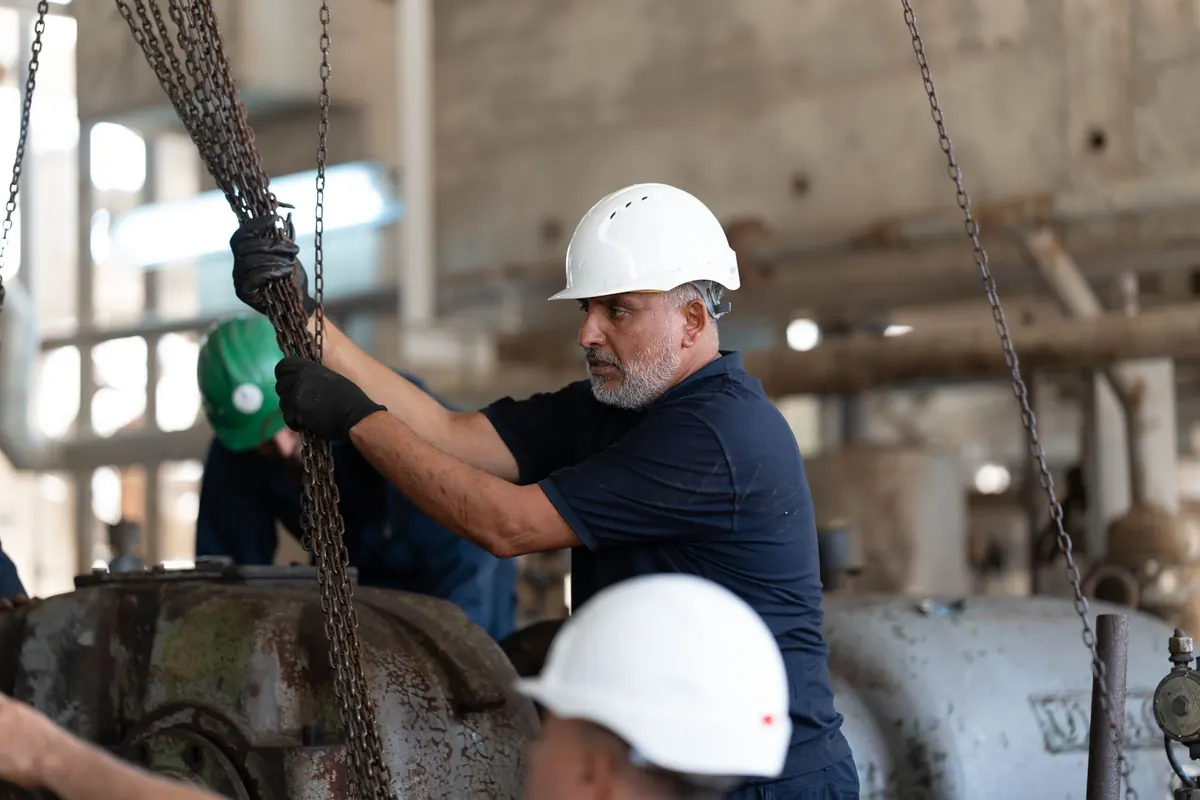
Photo: abdo alshreef / Pexels
Previous Post
Monthly Mill Production Report Template: Tracking Logs In, Lumber Out, and Cost per Board Foot
Next Post
Common Bookkeeping Mistakes at Lumber Mills and How to Avoid Them